
Advanced Aligarh
About us
A smart city project is an innovative and transformative initiative aimed at leveraging technology, data, and sustainable practices to enhance the quality of life for residents and promote sustainable urban development. It involves integrating various elements of urban life, such as transportation, energy, infrastructure, governance, and public services, into a cohesive and intelligent ecosystem.
Our mission is to create a connected, sustainable, and inclusive urban environment that enhances the quality of life for all residents, fosters economic growth, and preserves our natural resources for future generations.

Objectives
Digital Connectivity: Establish a robust and reliable digital infrastructure that enables seamless connectivity and communication between residents, businesses, government entities, and city services.
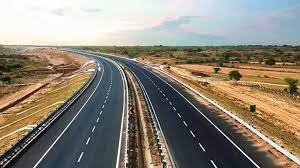
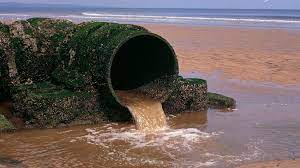
Sustainable Infrastructure: Implement sustainable infrastructure solutions such as smart energy grids, efficient waste management systems, and intelligent transportation networks to reduce resource consumption, minimize carbon footprint, and promote environmental sustainability.
Inclusive Access: Ensure equitable access to digital technologies and services for all residents, regardless of their socioeconomic status, age, or abilities. Bridge the digital divide by providing affordable internet access, digital literacy programs, and inclusive design principles.
Enhanced Quality of Life: Improve the overall quality of life for residents by enhancing public safety through smart surveillance and emergency response systems, optimizing transportation networks to reduce congestion and commute times, and creating smart public spaces that promote social interaction and well-being.
Economic Innovation: Foster innovation and economic growth by attracting technology companies, startups, and entrepreneurs to the city. Support a thriving ecosystem of innovation through incubators, accelerators, and collaboration spaces, while promoting digital entrepreneurship and skills development.
Data-Driven Decision Making: Establish a data-driven approach to urban planning and governance by leveraging advanced analytics, artificial intelligence, and Internet of Things (IoT) technologies. Utilize data insights to make informed decisions, optimize city operations, and improve service delivery.
Citizen Engagement and Co-Creation: Encourage active citizen participation by providing platforms for feedback, collaboration, and co-creation. Involve residents in decision-making processes, solicit their input on urban projects, and empower them to contribute to the development and well-being of their communities.
Resilience and Disaster Preparedness: Enhance the city's resilience to natural disasters, climate change, and other potential risks by integrating smart technologies for early warning systems, disaster response coordination, and infrastructure resiliency measures.
Smart Governance and Efficiency: Streamline and digitize government processes to improve efficiency, transparency, and accountability. Implement e-governance solutions for citizen services, digital documentation, and participatory budgeting.
Knowledge Sharing and Collaboration: Foster knowledge sharing and collaboration among stakeholders, including academia, industry, government, and citizens, to create an ecosystem of innovation, research, and best practices in smart city development.